
UPS Systems and BS 9251 Guidelines
Reliable Backup Power for Residential Fire Sprinkler Systems
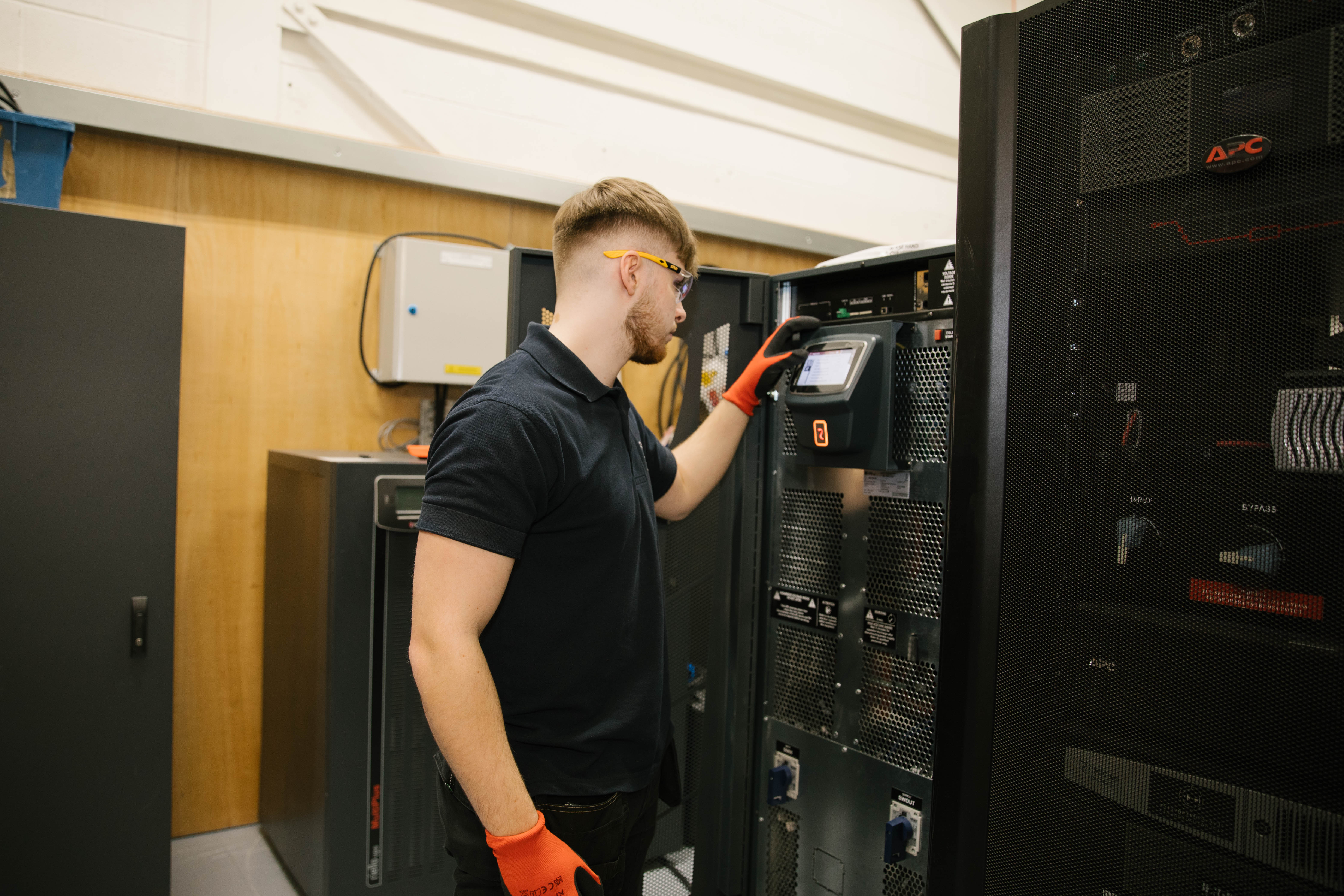
Where a fire sprinkler system depends on electrically powered pumps, continuity of power needs careful consideration. A mains power failure shouldn’t leave critical equipment without the electrical supply it needs to operate.
An Uninterruptible Power Supply (UPS) can provide backup power when the incoming mains supply fails, supporting continuity until power returns or another source becomes available.
Uninterrupted Power Solutions provides UPS installation, UPS system testing, battery replacement and ongoing UPS maintenance for critical applications across the UK.
Need help specifying or maintaining a UPS system? Get in touch with our team.
What is BS 9251?
BS 9251:2021 is the British Standard covering fire sprinkler systems for domestic and residential occupancies. It provides recommendations covering the design, installation, components, water supplies, commissioning, maintenance and testing of these systems.
The 2021 revision introduced a fourth system category for taller residential buildings and higher-risk applications, together with further recommendations aimed at improving system resilience.
For facilities teams, designers and contractors, power continuity forms part of the wider consideration around keeping critical electrically powered equipment available when it’s required.
Where Does a UPS Fit In?
A sprinkler system may rely on electrically powered equipment to maintain the required water supply. If the normal electrical supply fails, the design needs to account for how essential equipment will continue to operate.
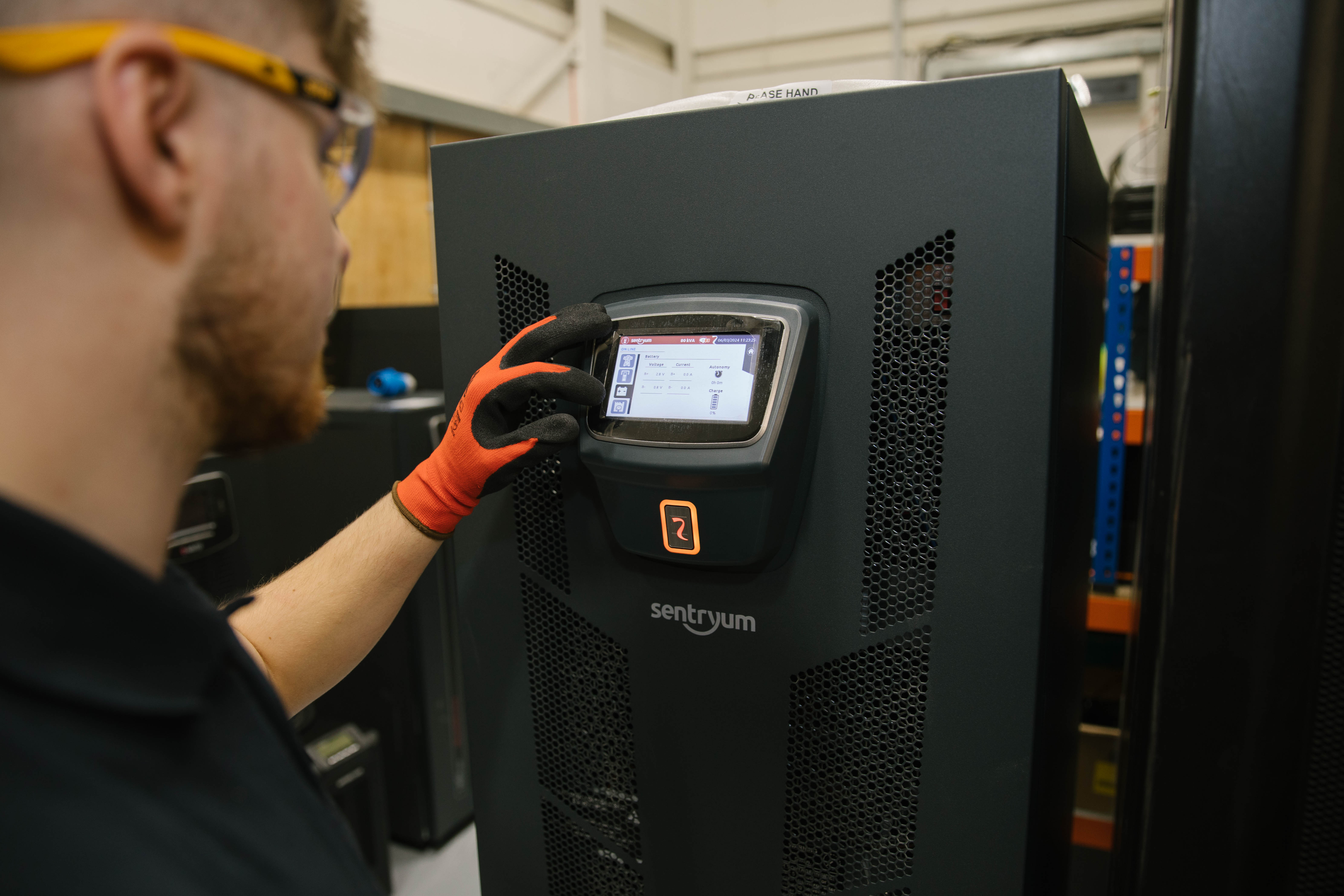
A correctly specified UPS system can provide an immediate source of backup electrical power during a mains failure.
The UPS needs to be selected around the actual electrical load and required battery autonomy. Factors such as pump starting characteristics, operating demand and required runtime can have a significant effect on UPS specification.
Our team can assess these requirements and recommend a UPS solution suited to the application.

Specifying the Right UPS System
UPS selection for a critical system requires more than choosing a unit based on its headline kVA rating.
The electrical characteristics of the connected equipment need to be assessed so the UPS can support the load when mains power is lost. The required battery runtime must also be calculated, with sufficient UPS battery capacity provided for the intended duty.
Depending on the installation, consideration may include:
Connected electrical load
Starting and running characteristics
Required UPS battery runtime
UPS capacity and configuration
UPS battery sizing
Bypass arrangements
Electrical protection and isolation
Environmental conditions
Access for UPS maintenance and battery replacement
Testing and ongoing maintenance requirements
Getting these details right at the design stage reduces the risk of installing a UPS system that cannot support the connected equipment when an outage occurs.
UPS Batteries Are Critical to Backup Performance
The UPS batteries provide the stored energy needed when mains power is unavailable. Their condition has a direct effect on how long the UPS can support its connected load.
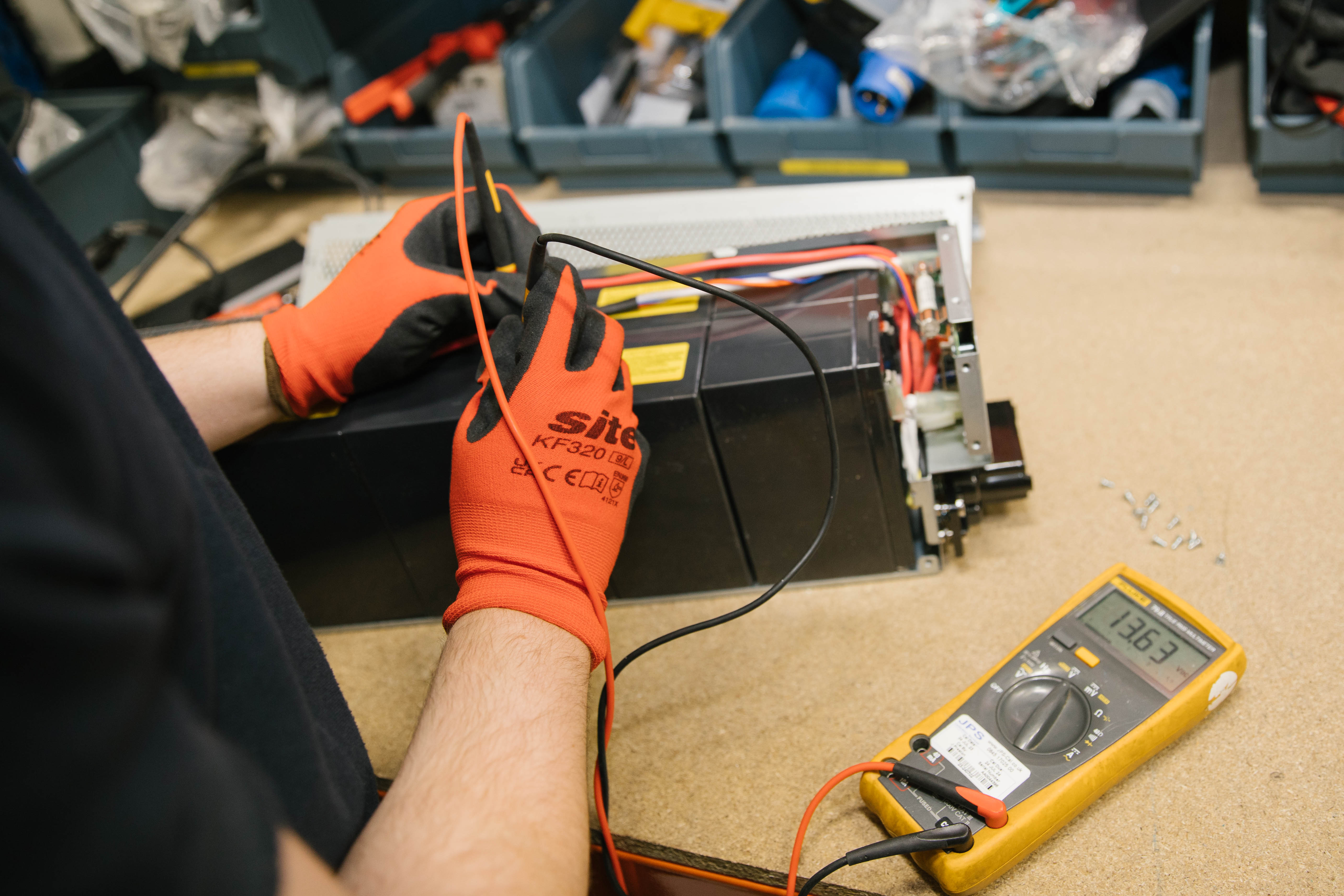
UPS batteries deteriorate with age, temperature, usage and operating conditions. A system that appears healthy during normal operation may have reduced battery autonomy if battery condition hasn’t been checked.
Planned UPS battery maintenance can identify deterioration before it develops into a UPS battery failure. Where batteries are approaching the end of their service life, planned UPS battery replacement also gives facilities teams greater control over cost, scheduling and system availability.
UPS System Testing and Maintenance
Installing the UPS is only the beginning. Critical backup power equipment needs ongoing attention throughout its service life.
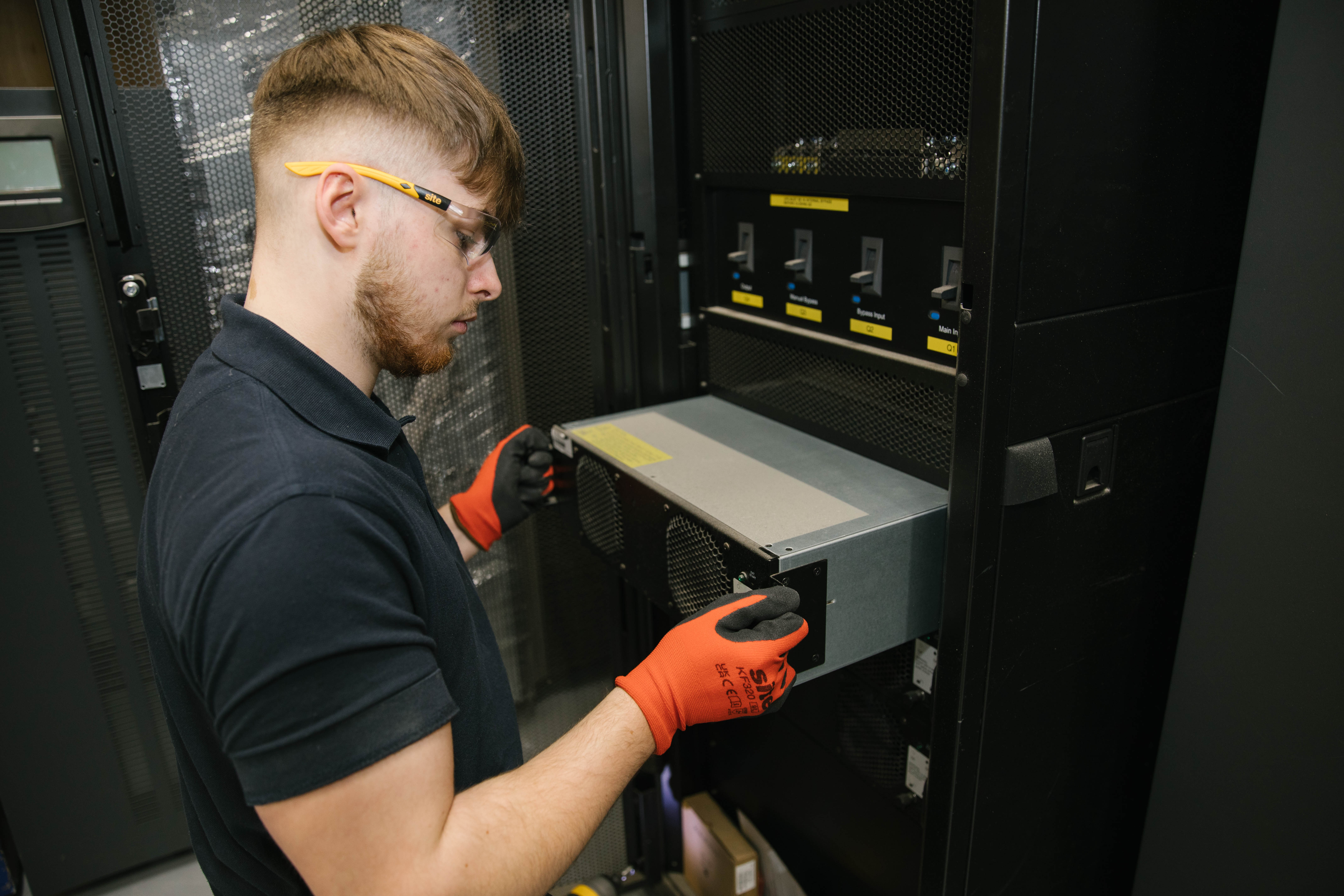
A planned UPS maintenance programme can include system inspections, UPS battery checks, alarm and fault reviews, electrical measurements and functional testing. The exact maintenance requirements should reflect the UPS, its batteries, the installation and the importance of the connected load.
If there’s uncertainty around an existing installation, a UPS system audit can establish the condition and configuration of the equipment and identify areas requiring attention.
This can be particularly useful for older buildings where the UPS has been inherited, system records are incomplete or the original power requirements have changed.
UPS Installation for Critical Systems
Uninterrupted Power Solutions supports organisations that need dependable backup power for critical equipment.
With more than 30 years of experience, our team can support the full UPS lifecycle, from initial assessment and UPS installation through to UPS system testing, UPS battery replacement and planned UPS maintenance.
We provide nationwide coverage and 24/7 support, giving facilities and operations teams access to experienced UPS technicians when a fault or power continuity issue requires attention.
Our UPS Services
We can support you with:
UPS system specification and installation
UPS system audits
UPS system testing
UPS maintenance plans
UPS battery maintenance
UPS battery replacement
UPS fault investigation
UPS system upgrades and replacement
Battery removal and responsible disposal
24/7 emergency UPS support
Need Support With a BS 9251-Related UPS Requirement?
Whether you’re planning a new installation, reviewing an existing UPS system or need to confirm that your backup power arrangement can support the intended load, Uninterrupted Power Solutions can help.
We’ll assess the UPS, batteries, load requirements and existing installation before recommending the appropriate next steps.
Speak to Uninterrupted Power Solutions about your UPS installation, UPS maintenance or UPS battery replacement requirements.
Contact Us.
Speak to a member of the Uninterrupted Power Services team today.